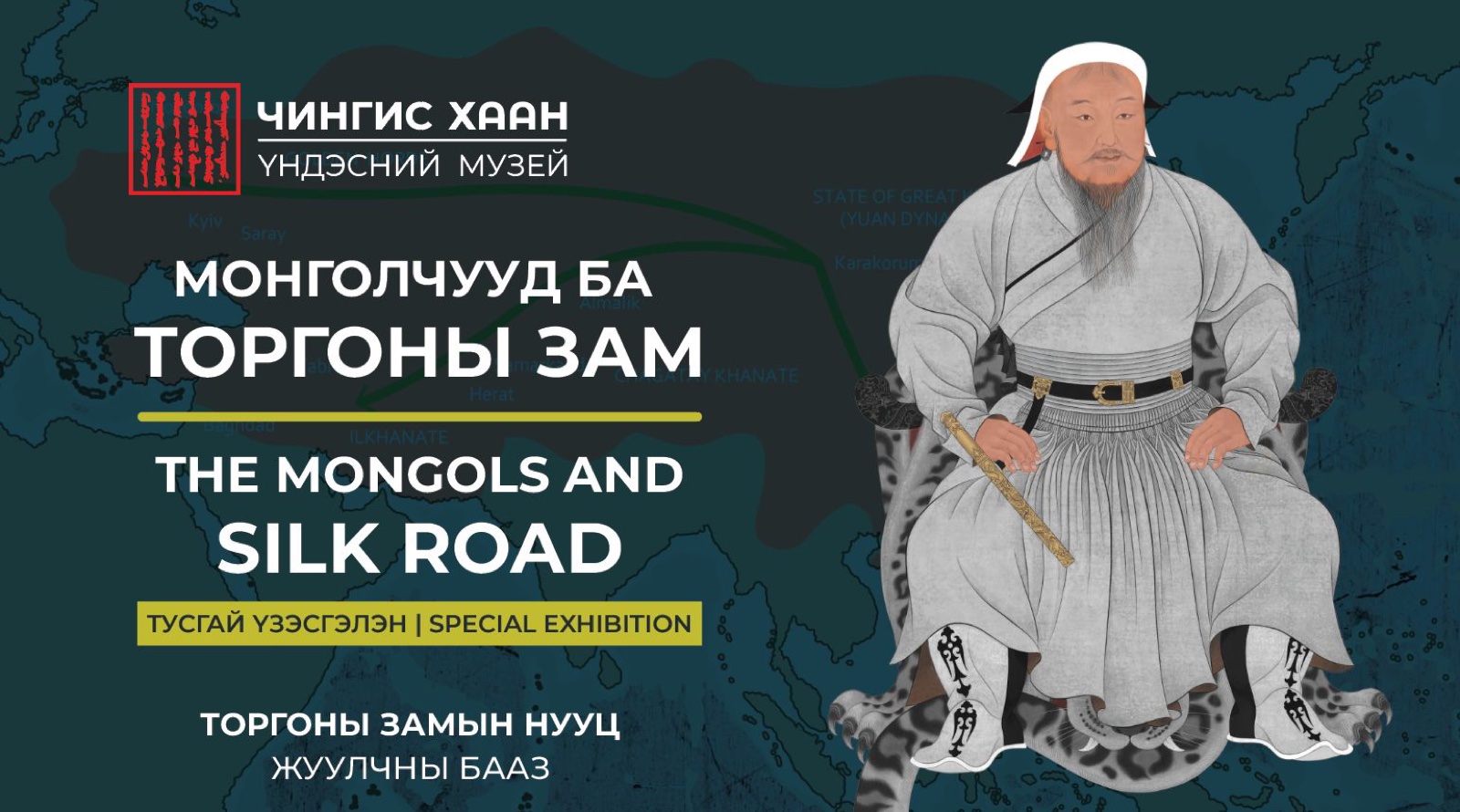
Special exhibition · 46 objects · Co-organizer: Tumen Amgalant Asar LLC
THE WORLD AND THE MONGOLS
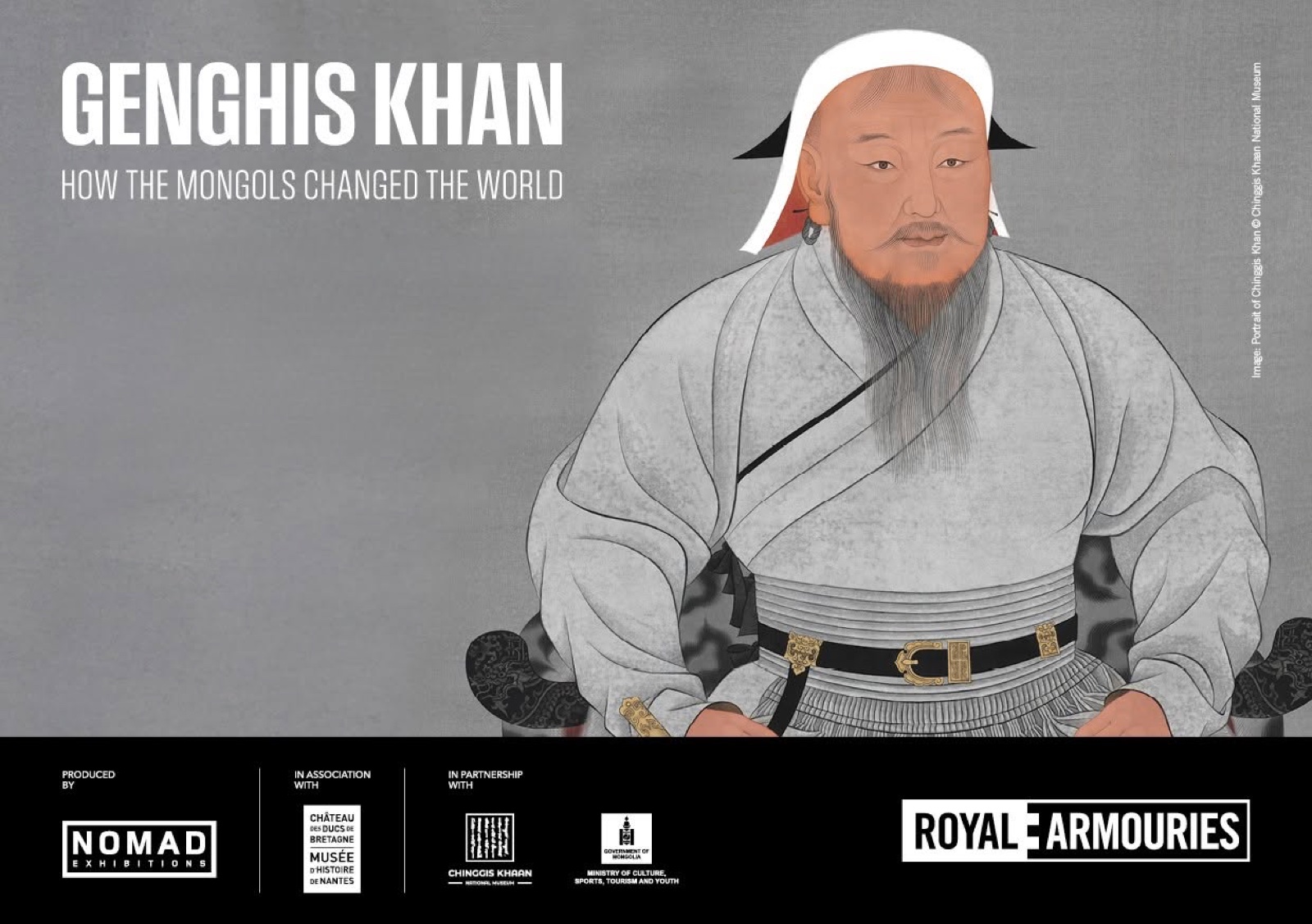
In the 13th century, the Mongols established one of the greatest empires in world history, extending their dominion across nearly half of the known world. By linking East and West through political, economic, and cultural networks, they created an enduring model for governing both nomadic and sedentary civilizations. The Mongol Empire advanced the art of warfare to an unprecedented level, conquering vast territories across Eurasia through the mastery of mounted cavalry and archery. Under Mongol rule, the Silk Road connecting Europe and Asia flourished in an era of peace and security, while the empire also established one of the earliest and largest naval fleets in world history. The Great Khaans of the Mongol Empire pursued a policy of religious tolerance and officially proclaimed freedom of faith and cultural diversity. In the Orkhon Valley, they founded Qaraqorum — the imperial capital and a distinguished political and cultural center where religious freedom was upheld and promoted.